
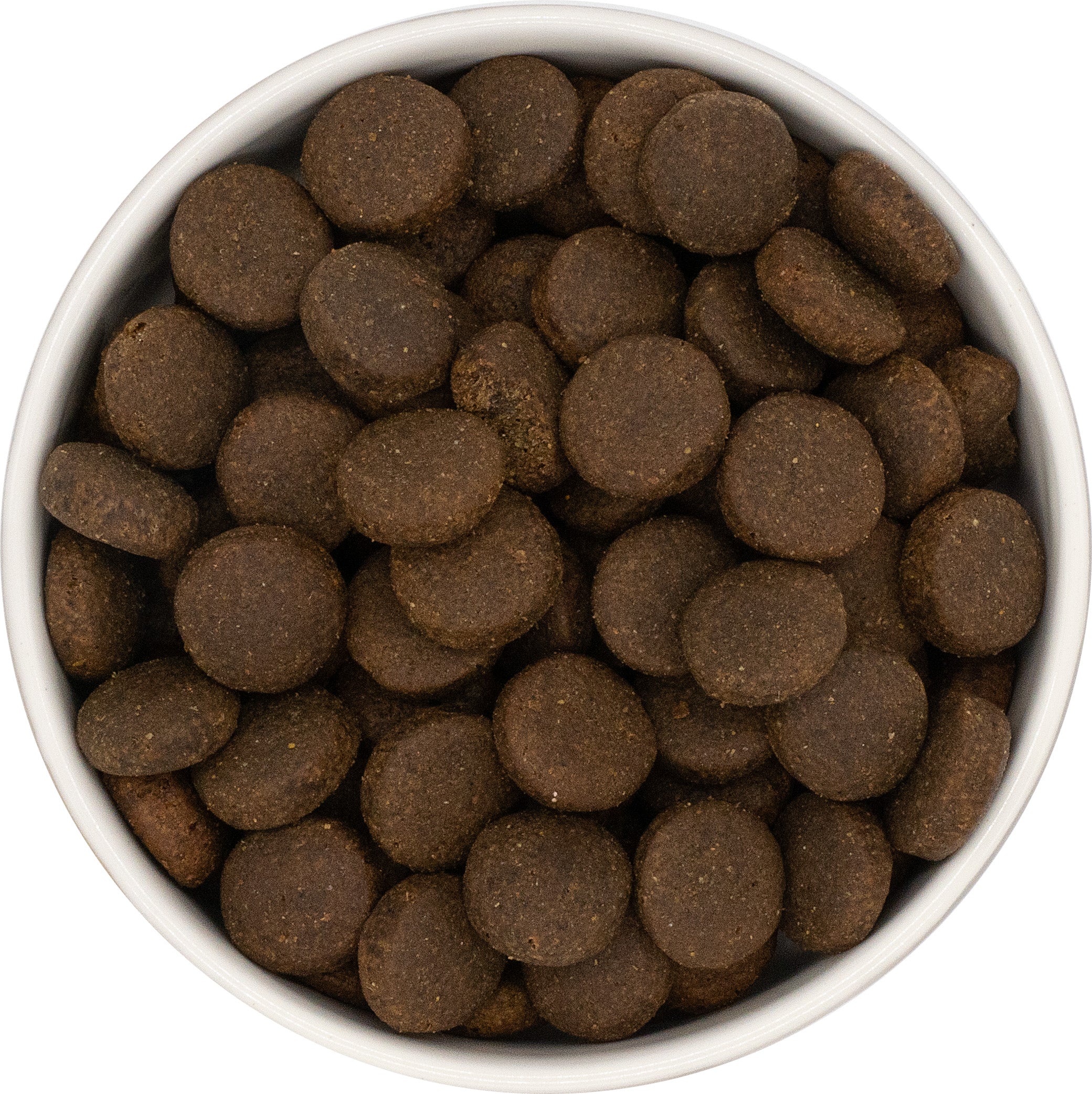
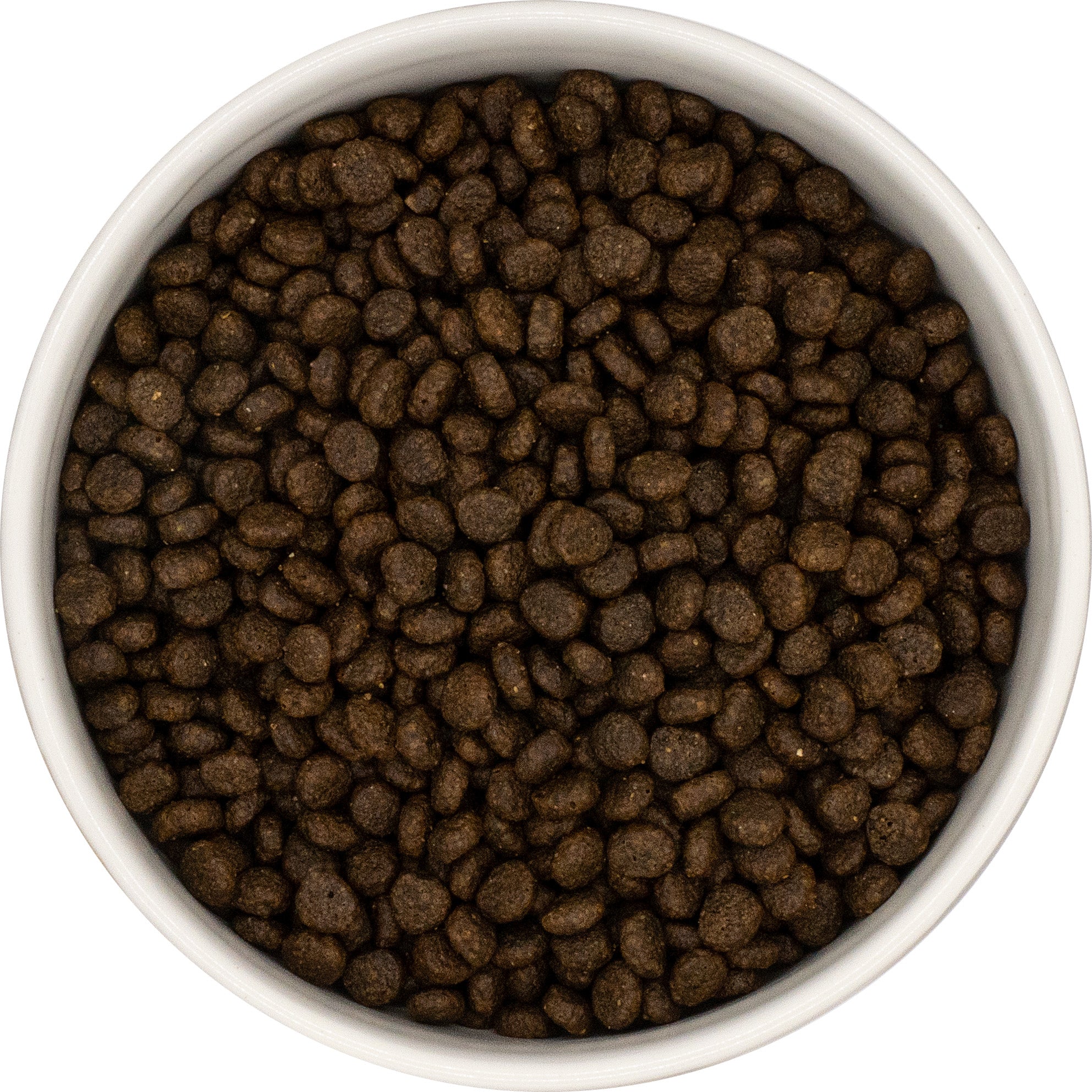
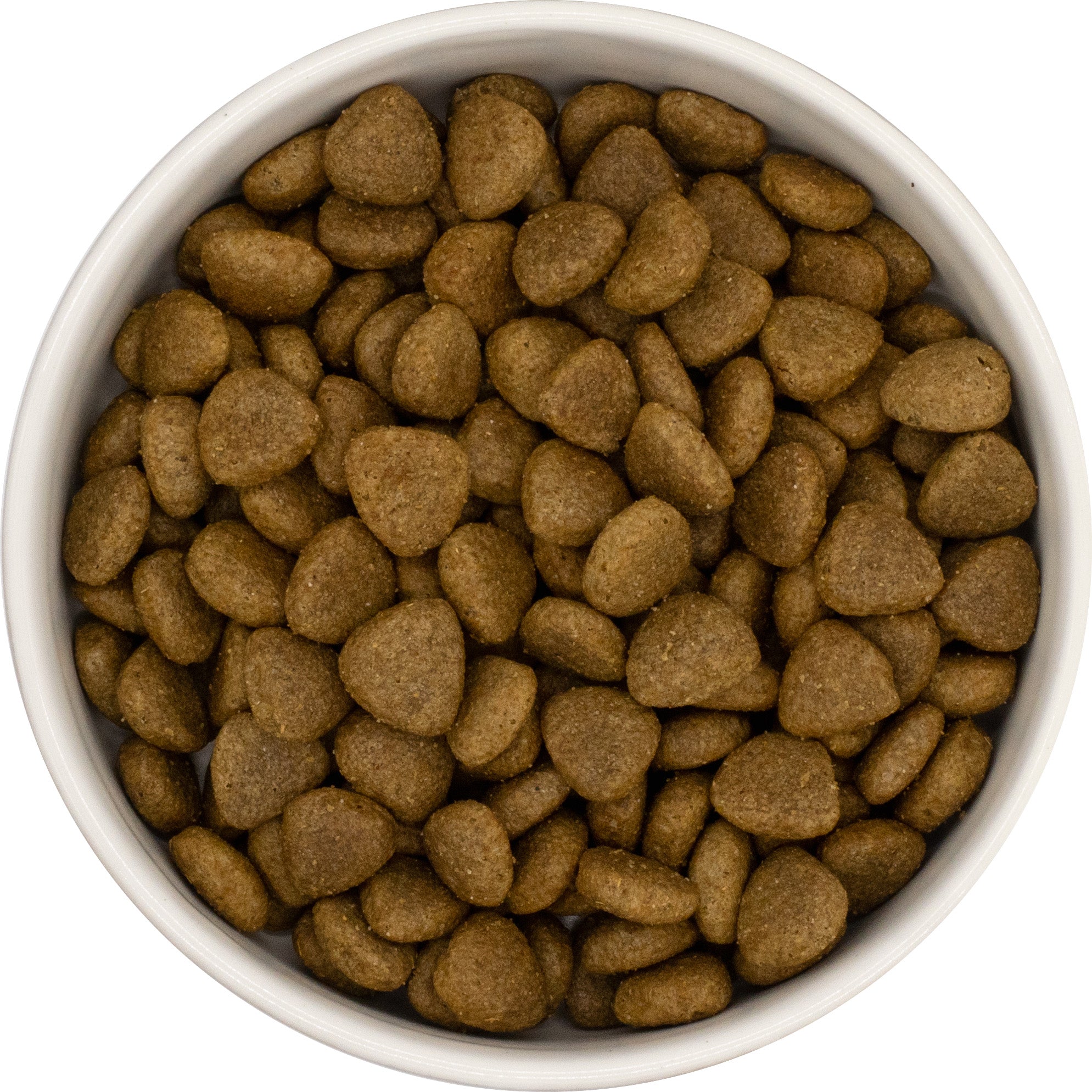
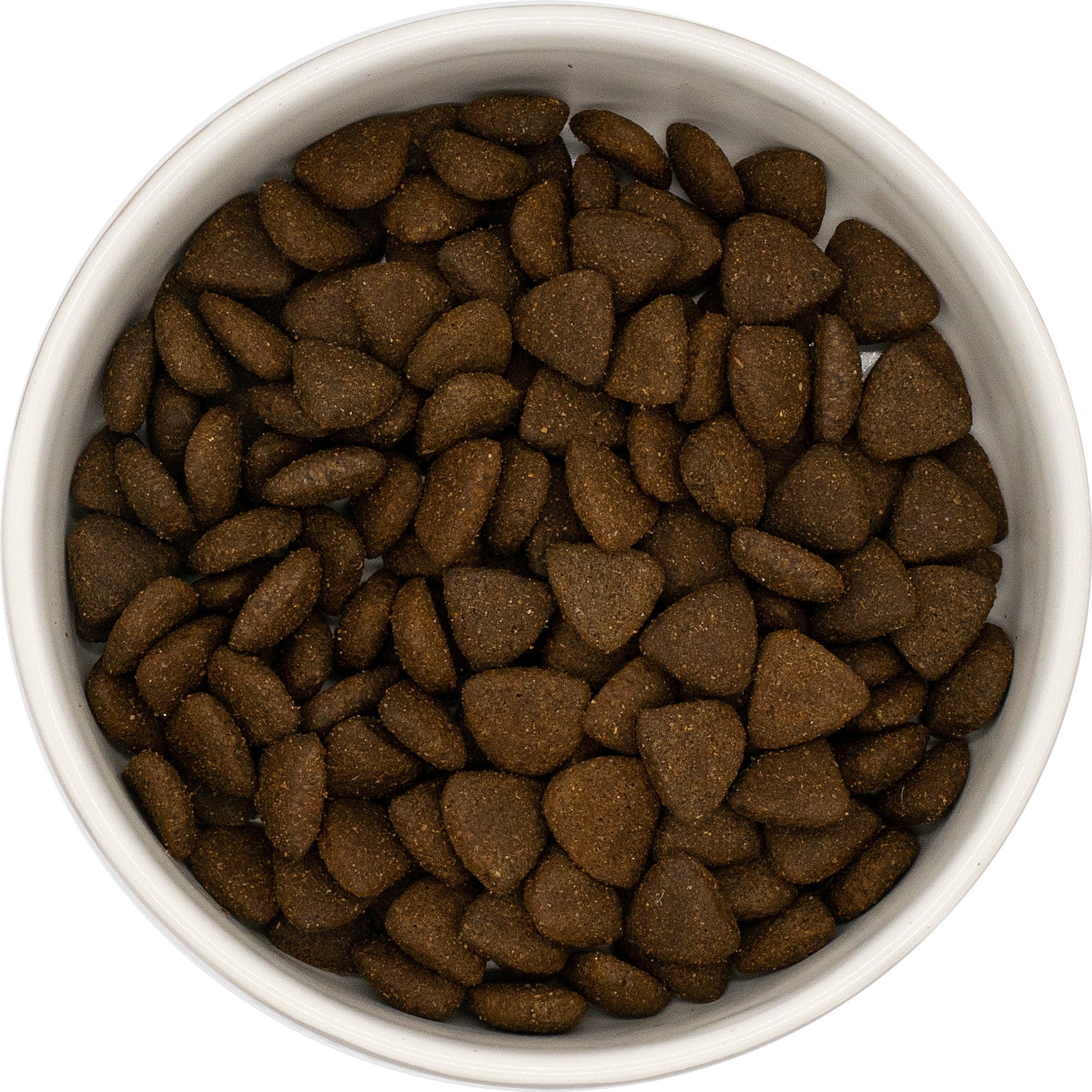

Dog Poo Chart

What Your Dog's Poo Is Telling You
TL;DR: The perfect poo is firm, brown, log-shaped, and gone in one scoop. If that's your dog, great. If not, read on.
Use the chart to find your dog's score
Most healthy adult dogs score between 1 and 2.
Tap any score to find out what it means and what to do about it. Most healthy adult dogs score between 1 and 2.
What does healthy dog poo actually look like?
Colour should be a consistent chocolate brown, the shade of milk chocolate rather than dark. The brown comes from bile being processed through the liver and gut, so any significant deviation is worth noting.
Consistency should be firm and log-shaped, with slight segmentation. The texture people most often reach for is Play-Doh. It should hold its form when picked up and leave little to no residue on the ground. If it smears, it's too soft. If it crumbles, it's too dry.
Coating should be absent: no visible mucus, no greasy film, no oily residue. A small amount of mucus is produced naturally to help faeces move through the colon, so a faint occasional coating is not cause for alarm. Persistent or heavy mucus points to inflammation, usually in the large intestine.
Content should be uniform, with nothing visible protruding or mixed in. Grass is common and usually harmless. White rice-like specks are tapeworm segments. Spaghetti-like strands are roundworms. Both need treatment.
What the colour of your dog's poo means
All shades of brown are normal, with slight variation depending on diet and hydration.
- Yellow or orange can point to a liver, biliary or digestive issue. Yellow diarrhoea specifically is often associated with food intolerance. Worth a vet visit if it persists.
- Green is most commonly caused by eating grass, which is usually harmless. Persistent green without an obvious cause can indicate gallbladder issues or intestinal parasites.
- Grey or greasy-looking stool suggests poor fat absorption. Exocrine pancreatic insufficiency (EPI) produces large, foul-smelling, pale, oily stools. If you see this consistently, book a vet appointment promptly.
- Black or tarry poo indicates digested blood from the upper gastrointestinal tract. Contact your vet urgently.
- Bright red streaks indicate fresh blood, usually from the lower GI tract. Colitis, anal gland issues, rectal irritation, and parasites are the most common causes.
- Raspberry jam consistency strongly suggests haemorrhagic gastroenteritis (HGE), which can deteriorate quickly. Treat it as an emergency.
- White or chalky poo is often caused by excess calcium, most commonly in dogs on bone-heavy raw diets. White specks specifically suggest tapeworm.
How diet affects what comes out
A dog on a low-quality diet can excrete up to a quarter of everything they eat undigested.
Protein source and preparation
The protein source and how it is prepared has the biggest influence. Freshly prepared meat, going into the recipe in its natural state rather than as a dried meal, is significantly more digestible than heavily processed alternatives. Cooking at a controlled, relatively low temperature of around 82 degrees protects the protein's structure, preserving both digestibility and nutritional value. When protein is not absorbed properly in the small intestine, it continues into the large intestine where bacteria ferment it. That fermentation produces gas, loose stools, and the kind of smell that makes you hold your breath on the walk home.
Carbohydrates
Complex carbohydrates like sweet potato are digested slowly and efficiently, providing sustained energy without the fermentation problems associated with lower-quality fillers. Cheap cereal ingredients such as maize, wheat, and soy are less digestible for many dogs and consistently associated with larger stool volumes and softer, more variable consistency. For dogs with sensitivities, grains present a more specific problem: they can trigger inflammation in the gut lining that leads to chronic loose stools, mucus, and the kind of persistent digestive disruption owners often put down to their dog just having a sensitive stomach.
Fibre
Fermentable fibre sources, particularly beet pulp, feed beneficial bacteria in the large intestine and promote the production of short-chain fatty acids including butyrate. Butyrate is the primary energy source for the cells lining the colon, and adequate levels support firmer stools and a more resilient gut. Insoluble, non-fermentable fibre adds bulk without the same benefit.
Prebiotics
MOS and FOS are prebiotic compounds found in better-formulated recipes that feed beneficial gut bacteria while disrupting harmful ones. Their presence in a recipe is a meaningful formulation choice, and they are consistently associated with firmer stools, better nutrient absorption, and less gas.
When to contact your vet
Contact your vet the same day if diarrhoea has lasted more than 24 hours, if there is blood in the stool, if the stool has a raspberry jam appearance, or if your dog is lethargic, vomiting, or in obvious discomfort.
Book a routine appointment if your dog has not passed a stool in two days, if mucus has been present consistently for several days, if the colour has changed without a clear dietary reason, or if soft stools have continued for more than a few days after a food transition.
Bring a stool sample if you can. Vets can identify parasites, bacteria, and other issues from a sample that would not show up on physical examination alone, and it will almost always speed up the diagnosis.
Always consult a vet if you're concerned about your dog's health.